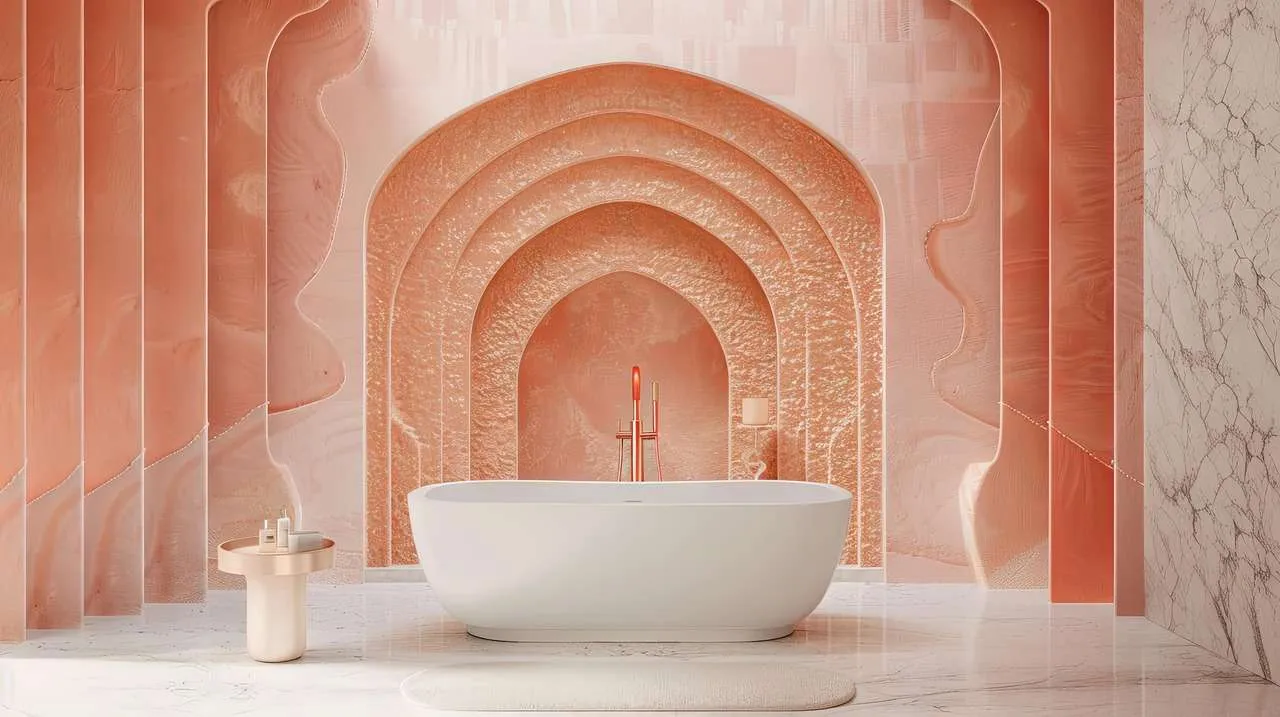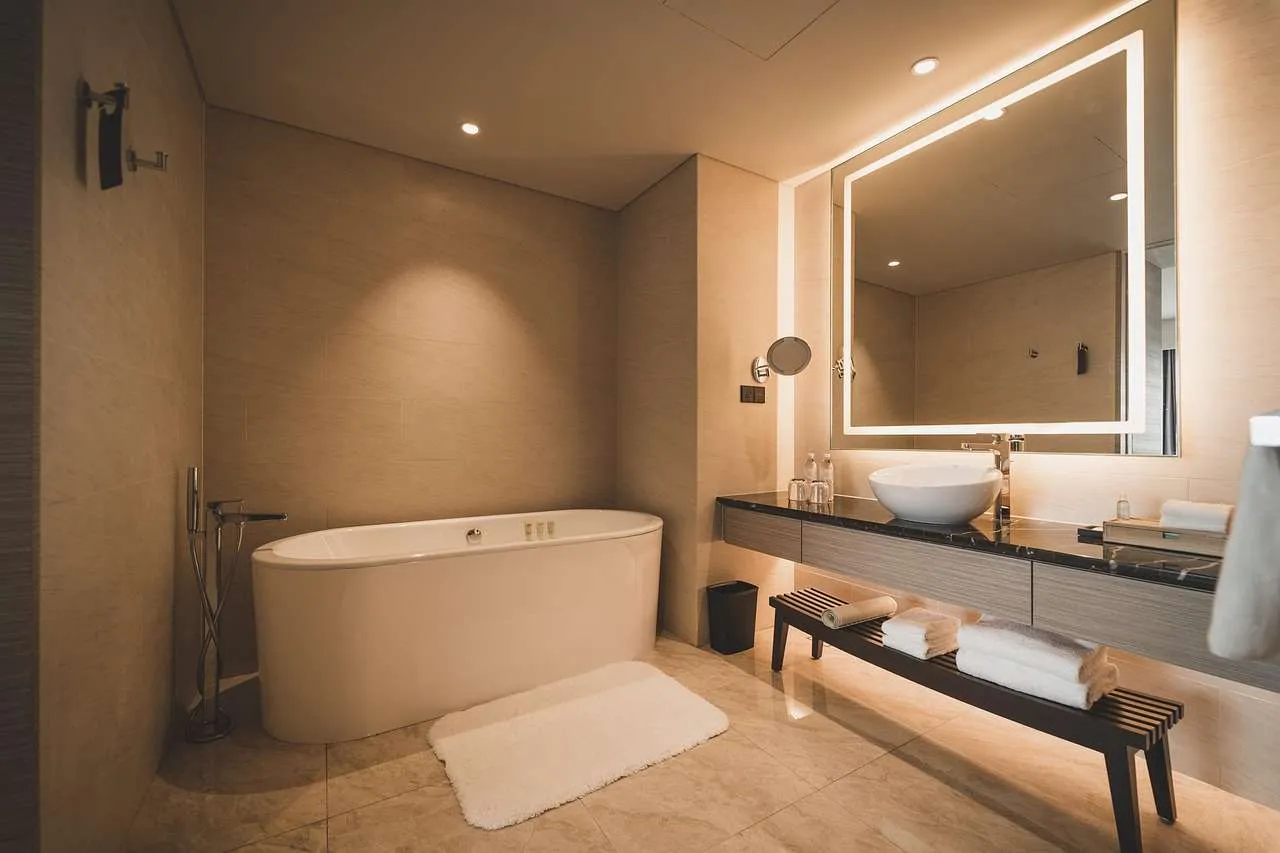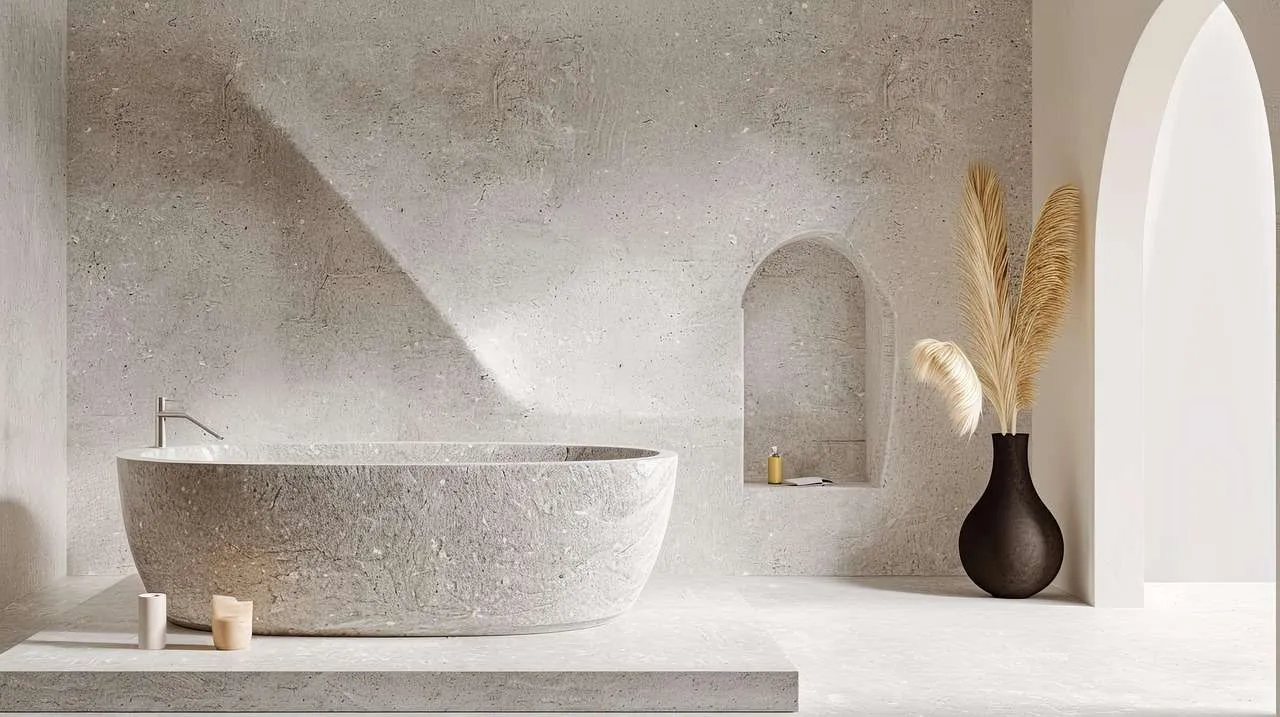
As a space used daily by family members, a well-planned bathroom decor elevates comfort and value. Great bathroom decor blends color, material choice, lighting, and storage to create a space that feels larger, calmer, and more organized. This guide, rooted in design principles and practical product selection, helps you plan a timeless look that fits your lifestyle and budget.
Understanding Bathroom Decor: Principles
Effective bathroom decor relies on balance, proportion, and durability. Start by defining a focal point—such as a vanity, a statement mirror, or a tile accent—and build a cohesive palette around it. Use one or two primary colors and introduce a complementary accent to avoid visual clutter. Texture adds warmth: matte ceramics, natural stone, soft textiles, and wood veneers work well in moisture-rich environments.
Consider the space’s scale and flow. In small bathrooms, maximize perceived size with large-format tiles, light walls, and reflective surfaces. In larger baths, you can experiment with contrast, layered lighting, and decorative elements without sacrificing serenity.
Popular Styles and How to Choose
Modern Minimal
Modern minimal favors clean lines, simple shapes, and a restrained color palette—think whites, warm grays, and natural wood accents. Choose large-format porcelain or ceramic tiles to minimize grout lines, slim-profile fixtures, and concealed storage to maintain the uncluttered look. Finish selections—brushed nickel or matte black—should be consistent across faucets, towel bars, and hardware to reinforce cohesion.
Coastal Calm
Coastal decor evokes breezy, sunlit spaces. Use whites and soft blues, lightweight fabrics, and natural textures like rattan and cork. Sea-glass accents and polished porcelain mimic sea-inspired hues. To keep humidity in check, select corrosion-resistant hardware and glass enclosures that maximize light diffusion.
Vintage or Classic
Vintage or classic style blends timeless tile patterns, brass or oil-rubbed bronze fixtures, and ornate mirrors. Warm wood tones, ceramic trims, and softened edges create a welcoming feel. Balance patinas with modern maintenance practices—proper ventilation and moisture-resistant finishes ensure longevity in humid areas.
Rustic / Industrial
Rustic and industrial spaces celebrate texture: exposed brick, stone, concrete, and metal. Reclaimed wood vanities, wire baskets, and open shelving are common; choose durable surfaces that tolerate humidity. A well-chosen mix of finishes—brushed steel, blackened metal, and antique brass—adds character while remaining functional.
Key Elements of Bathroom Decor
Color schemes set the mood. For a calm bathroom decor, start with a light base (white, dove gray, or soft beige) and add 1-2 colored accents through towels, mats, or a single tile row. Lighting should be layered: combine ambient ceiling lighting with task lighting around mirrors and soft, dimmable options for relaxing evenings.
Hardware finishes influence the entire look. Match faucets, towel bars, and lighting fixtures for a cohesive feel—common choices include brushed nickel, matte black, or polished chrome. Texture matters: incorporate soft towels, plush rugs, and natural fibers to soften hard surfaces. Storage is essential in bathroom decor; prefer built-in niches, vanity drawers, and vertical shelving that keep surfaces clear.
Practical Guide: Planning and Budget
Begin with a clear budget and a design brief. Allocate 40-50 percent to fixtures and surfaces (vanity, countertop or tile, shower enclosure) and the remainder to lighting, hardware, mirrors, and décor accessories. When possible, opt for durable, moisture-rated materials such as porcelain, quartz, tempered glass, and solid-surface composites. If renovating on a tighter budget, consider updating only the vanity, mirror, lighting, and textiles while refreshing tile with paint-safe grout and sealant.
Planning tips: measure accurately, map the workflow from sink to shower, and ensure sufficient clearance around doors and fixtures. Don’t overlook ventilation; a good exhaust fan and moisture-resistant paint prevent long-term damage.
Maintenance and Durability
Choosing water-resistant materials is the first defense against humidity. Regular cleaning prevents soap scum and mineral buildup. Use grout sealants to protect joints and re-seal countertops when needed. Ventilation is essential to reduce moisture, and routine checks for caulking, seals, and tile condition save future renovation costs.
Comparison of Popular Styles
| Style | Vibe | Best For | Common Materials | Budget |
|---|---|---|---|---|
| Modern Minimal | Clean, uncluttered | Small spaces, busy households seeking calm | Porcelain, large tiles, glass, matte metals | Medium |
| Coastal Calm | Bright and airy | Beach-inspired homes, natural textures | Limestone, ceramic tile, rattan, glass | Medium |
| Vintage/Classic | Timeless warmth | Traditional homes, resale value | Tile patterns, brass or matte black fixtures, wood accents | Medium-High |
| Rustic/Industrial | Bold, durable | Character-rich spaces, durability needs | Stone, concrete, metal, reclaimed wood | High |
| Spa-inspired | Serene, indulgent | Personal retreat, wellness focus | Natural stone, soft textiles, diffused lighting | Medium |
Conclusion, align your color palette, materials, and lighting with the layout and daily routines to create cohesive bathroom decor that lasts beyond trends. Plan with a budget, choose durable fittings, and layer textures to deliver a calm, functional space.