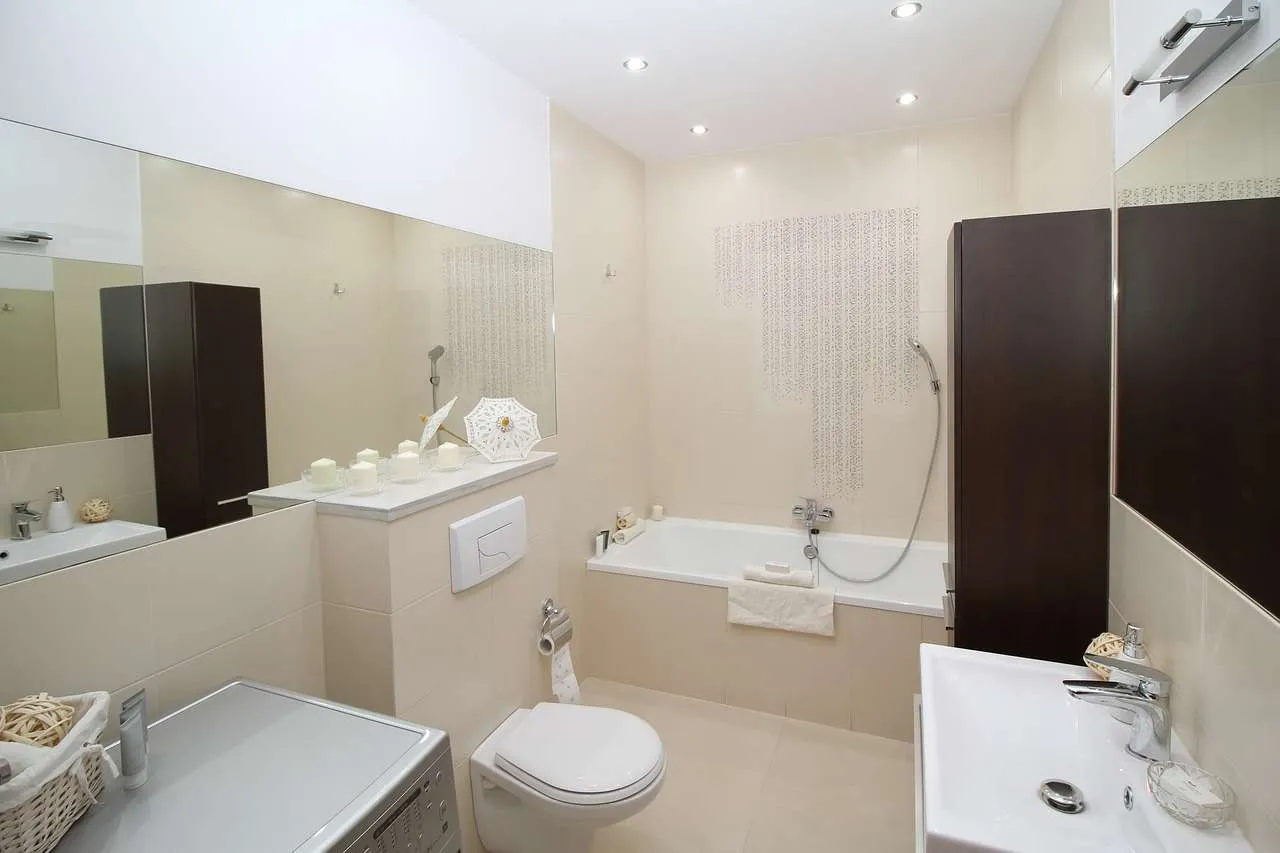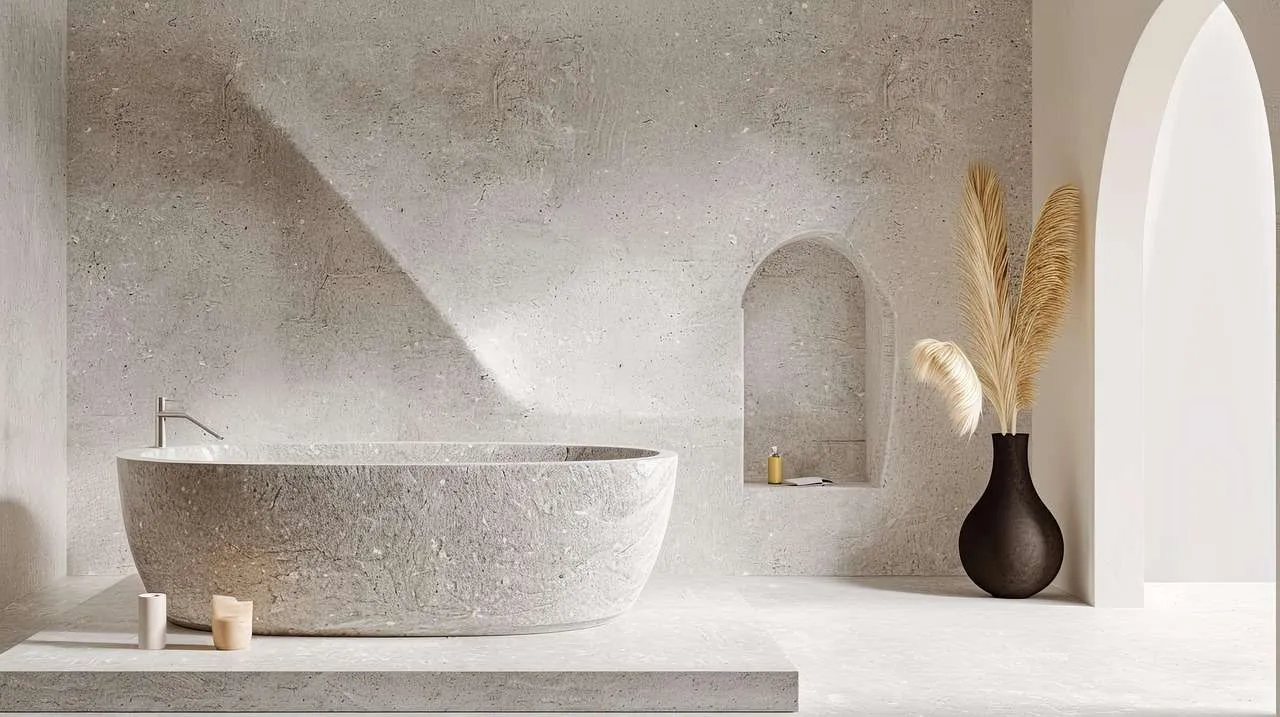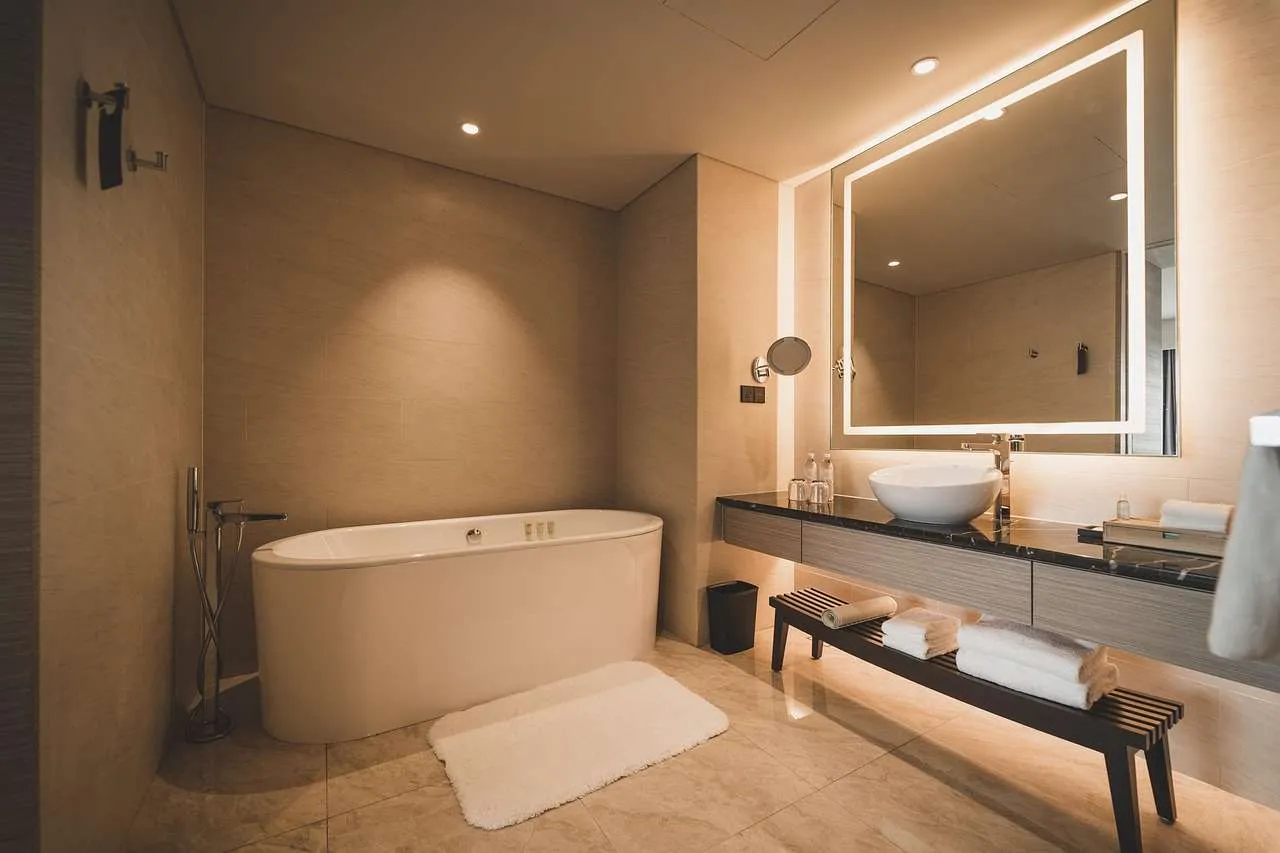
Choosing bathroom tile is both an aesthetic decision and a practical one. Tiles protect surfaces from humidity, water splashes, and daily wear while defining the room's sense of style. This guide covers materials, sizes, layout ideas, maintenance, and budgeting to help homeowners and professionals achieve a durable, beautiful bathroom.
Popular tile materials for bathrooms
Typical bathroom tile materials include ceramic, porcelain, glass, natural stone and mosaic patterns. Each has performance traits: water absorption, durability, slip resistance, and maintenance needs.
Ceramic vs Porcelain
Ceramic tiles are affordable and versatile, often used on walls and shower enclosures. Porcelain tiles are denser and less porous, making them better for floors and wet zones. For most bathrooms, porcelain or high-quality ceramic can meet both design and durability needs. Consider rating: PEI (wear rating) 3 or higher for floors, and water absorption ratings for wet areas.
Tile sizes, patterns, and design ideas
Size and pattern influence perceived space and maintenance. Large-format tiles reduce grout lines and can make small bathrooms feel larger. Subways, herringbone, and brick patterns are timeless, while geometric mosaics add texture in borders or niches.
Color, finish, and slip resistance
Matte finishes tend to hide water spots and fingerprints better than glossy finishes. Textured or matte surfaces in light colors can create a calm, spa-like feel, while bold colors or large porcelain slabs create drama with less maintenance.
Choosing the right tile: factors to consider
- Moisture exposure: walls, shower, floors require different tile ratings.
- Durability: porcelain is typically stronger than ceramic for floors.
- Maintenance: porcelain and glazed ceramic require sealing less often; natural stone needs more care.
- Grout type and color: epoxy grout resists stains better than cement-based grout.
- Layout and lighting: reflective tiles brighten a space; large tiles reduce grout lines.
Maintenance, durability, and care tips
Maintenance influence s tile longevity. Seal natural stone where needed, clean grout with pH-neutral cleaners, and address grout haze after installation. Regular re-sealing intervals vary by material: natural stone often needs sealing every 6-12 months; porcelain and ceramic generally less often, if at all in glazed forms.
Cost, budget, and installation considerations
Tile costs vary widely by material, brand, and region. In general, ceramic and porcelain range from budget to mid-range per square foot, plus installation. Glass tiles offer optical benefits but can be pricier to install. Stone tiles provide natural character but require ongoing maintenance. Use a professional installer for waterproofing in wet zones to prevent leaks that cause long-term damage. Always verify subfloor stability and moisture barriers before laying tile.
Comparison of tile types
| Tile Type | Pros | Cons | Typical Cost per sq ft |
| Ceramic | Affordable, easy to cut | Less durable on floors | $1-$5 |
| Porcelain | High durability, water resistant | Can be harder to cut | $2-$8 |
| Glass | Brightens space, unique look | Slippery when wet, higher install cost | $5-$20 |
| Natural Stone | Natural beauty, unique veining | Porous, needs sealing | $8-$25 |
| Mosaic/Accent | Texture and color accents | More grout lines, costlier install | $3-$15 |
Practical design tips
Plan your tile layout with a clean grid and consider using contrasting grout to emphasize lines or blend for subtlety. For small bathrooms, opt for light colors and larger tiles to create a feeling of space. In showers, consider a non-slip finished exit and a steam-resistant grout to prevent mildew.
Conclusion
Conclusion, a thoughtfully selected bathroom tile combination delivers durability, moisture resistance, and timeless style. By choosing the right material, size, and pattern, and by planning for maintenance and professional installation, you can create a bathroom that remains beautiful and functional for years to come. Remember to factor moisture exposure, sealing needs, and upkeep into your plan, and work with a licensed installer to ensure proper waterproofing and compliance with building codes.