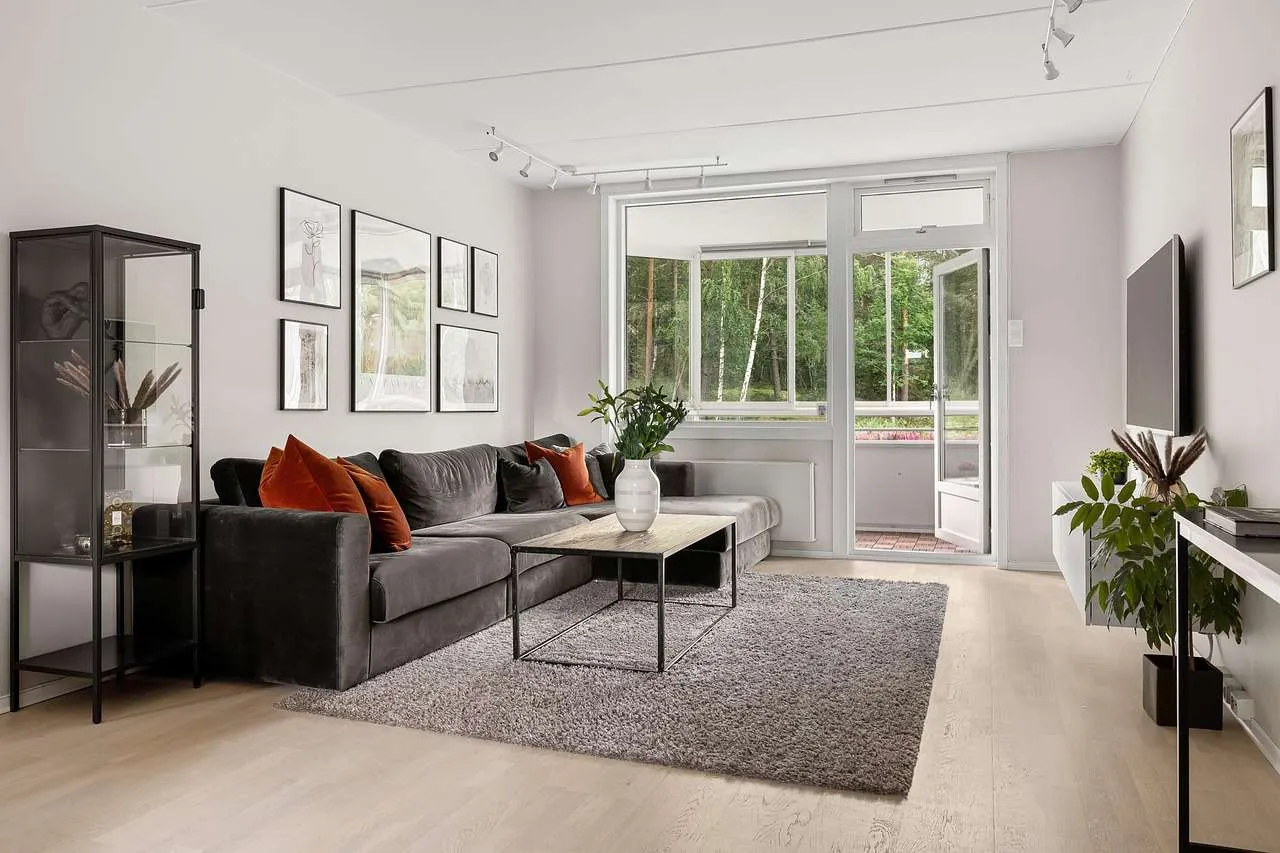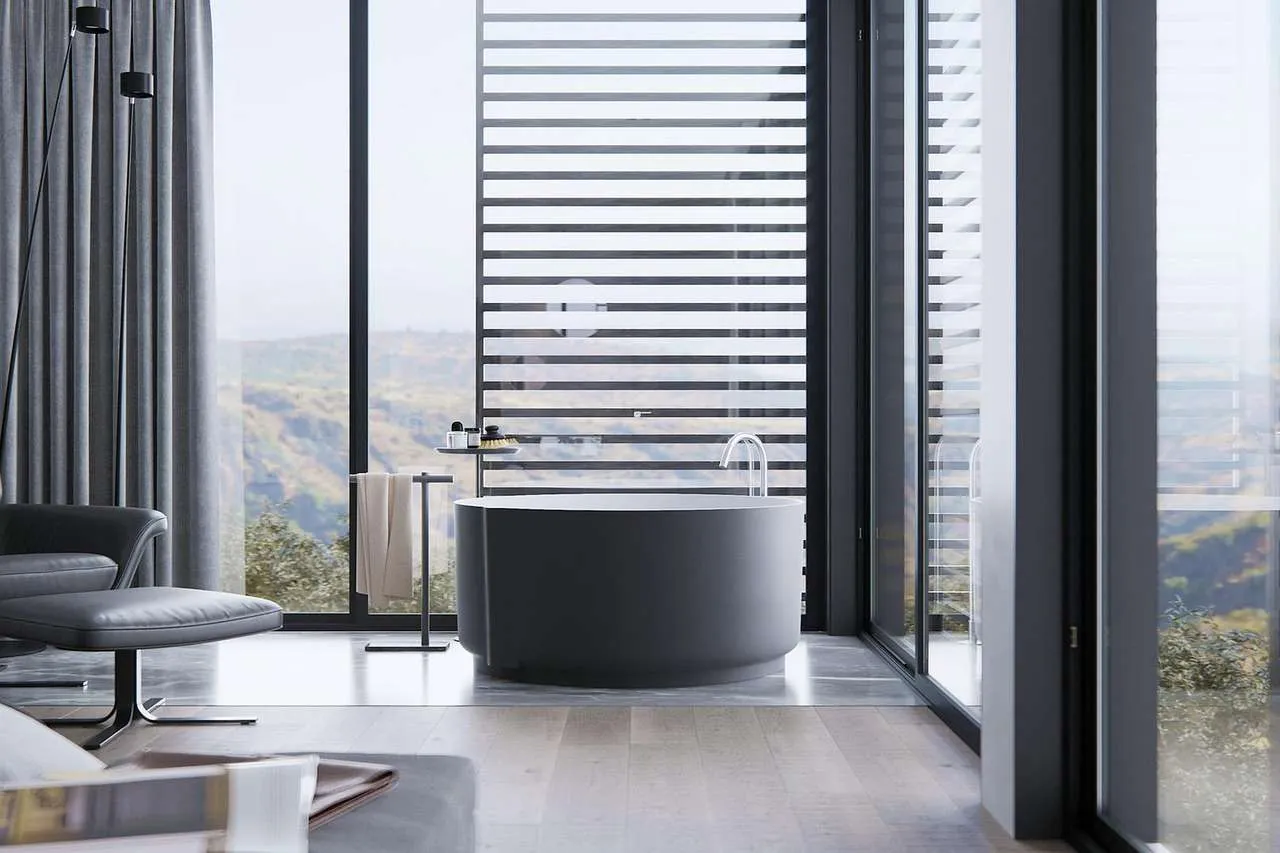
Home window tint refers to a thin film applied to interior glass surfaces to reduce heat, block UV rays, and minimize glare without sacrificing view.
What is home window tint?
Home window tint is a thin film applied to the interior surface of glass. It reduces heat gain by absorbing or reflecting a portion of solar energy, blocks up to 99% of harmful UV rays, and lowers glare. Modern films come in many shades and levels of opacity, with options designed for residential zoning and privacy needs.
Benefits of home window tint
- Energy savings by reducing cooling load
- UV protection to protect furnishings from fading
- Glare reduction for comfortable interiors and screens visibility
- Improved privacy without heavy drapes
- Enhanced safety with some films' impact resistance
How to choose the right tint
Start by rating the film in terms of visible light transmission (VLT), UV rejection, and solar heat gain coefficient (SHGC). Lower VLT means darker tint and more privacy, but also less natural light. UV rejection is typically 99% or higher. SHGC measures heat allowed through; a lower SHGC reduces cooling needs. Also consider reflectivity, color consistency, and warranty. Check local laws or HOA rules that may limit the darkness of residential films on front windows.
Key ratings explained
VLT (Visible Light Transmission) indicates how much light passes through. A 30% VLT lets in 30% of visible light. UV rejection specifies the percentage of UV rays blocked. SHGC shows how much solar heat is transmitted; lower SHGC reduces cooling needs. Reflectivity affects how much you can see your reflection on the film from the outside.
Tint level options
| Tint Level | Approx. VLT | Pros | Cons |
|---|---|---|---|
| Low tint | 5–20% | Maximum heat rejection, privacy at night | Very dark; HOA/legal limits |
| Medium tint | 35–50% | Balanced light and privacy | Moderate heat reduction |
| Light tint | 60–70% | Preserves view, high daylight | Less heat rejection |
Installation options
For most homes, professional installation ensures a bubble-free finish, precise cuts, and warranty protection. DIY kits exist for smaller windows or decorative applications, but accuracy matters for large panes, curved frames, or multi-window spans. A pro will prep the glass, clean thoroughly, apply the film with controlled heat or humidity, and perform final squeegeeing to remove air and moisture.
Legal, warranty, and ROI
Many regions regulate how dark residential films can be on street-facing windows; HOA covenants may impose restrictions. Reputable films often include warranties against bubbling, peeling, or discoloration for 10 to 15 years. While tint adds upfront cost, energy savings over the years can lower cooling bills and protect furnishings, potentially yielding a favorable return on investment.
Maintenance and lifespan
Clean with non-ammonia cleaners and a soft cloth to avoid film damage. Wipe gently to prevent scratches. Most residential films last 10–15 years, depending on climate, cleaning habits, and sun exposure. If a film starts to peel or bubble, consult a pro for repair or replacement to avoid further damage to surrounding glass.
Cost considerations and ROI
Expect installed costs to range from a few dollars to over ten dollars per square foot depending on film quality and labor. Higher-end ceramic or metallized films offer greater heat rejection but at a premium. Compare the long-term energy savings, furniture protection, and potential tax or utility incentives to determine ROI.
Frequently asked questions
Q: Will home window tint darken my interiors too much? A: It depends on the VLT; choose a level that balances daylight and privacy for your space.
Q: Can I tint over existing film? A: It is usually best to remove old film to ensure new film adheres evenly and avoids bubbles.
Q: Does tint affect window safety glass? A: Some films enhance shatter resistance; always use films designed for safety if needed.
Conclusion, Home window tint reduces heat and UV exposure while boosting comfort and protecting furnishings. Choose the right tint by VLT and SHGC, check local regulations, and hire a professional installer for best results.